Get Gas Line Installation
Gas line installation services help property owners safely add or upgrade natural gas connections for appliances, heating systems, or outdoor projects with experienced local contractors.
Property owners considering gas line installation often explore this work to enhance their home's functionality and convenience. Whether upgrading an existing system or adding new connections for appliances, planning these projects requires careful assessment of local options. Comparing local contractors can help ensure the work is handled efficiently and meets the specific needs of the property, providing peace of mind during the process.
If you’re looking to connect with experienced service providers in the area, this is the right place to start. By exploring your options and understanding the scope of gas line installation services available locally, you can make informed decisions for your property. Keep reading to learn more about how local contractors can assist with your project and what to consider as you plan your next steps.
- Gas Line Installation - needed when installing new gas appliances or upgrading existing gas lines.
- Gas Line Repairs - required when experiencing leaks, corrosion, or damage to existing gas piping.
- Gas Line Replacement - necessary for outdated or unsafe gas piping systems that need to be upgraded.
- Gas Line Inspection - essential for identifying potential issues before they lead to costly repairs or safety concerns.
- Gas Line Extensions - used when adding new appliances or features that require an extended gas supply line.
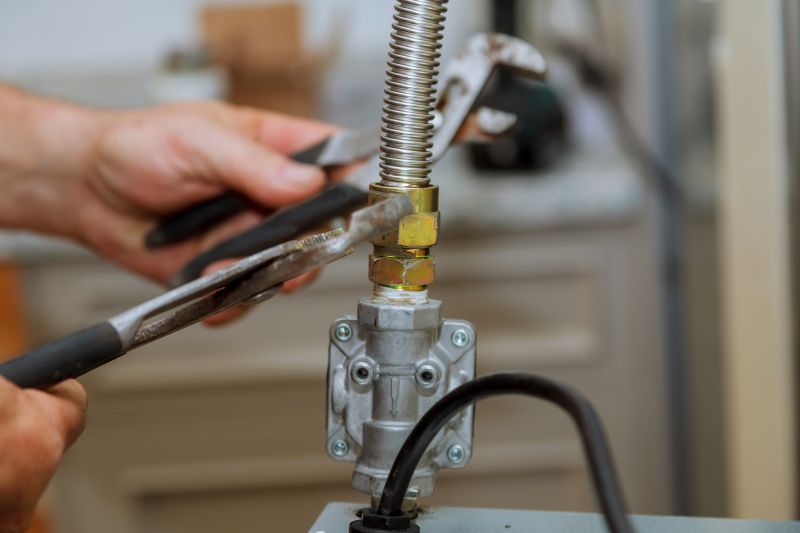
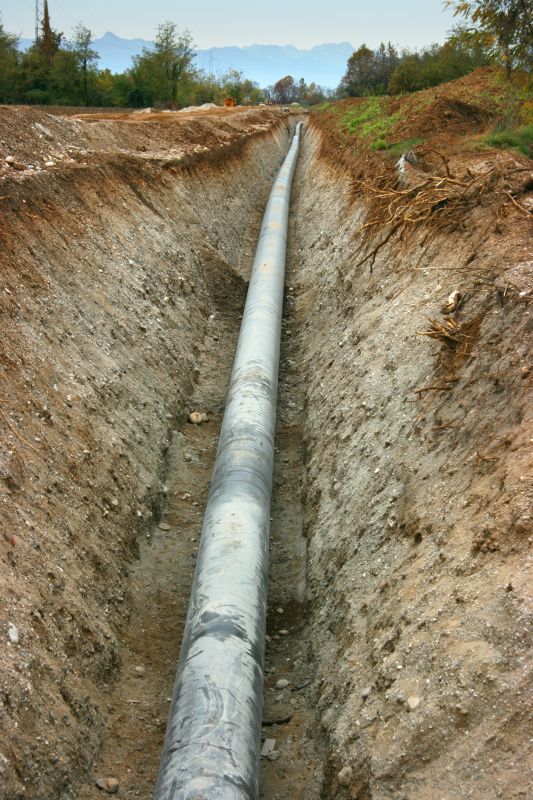
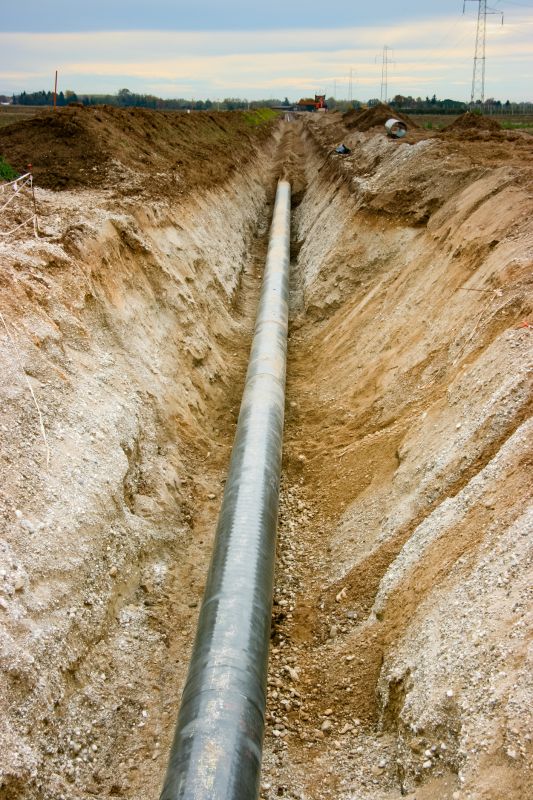
Gas line installation services involve setting up the piping system that delivers natural gas or propane to a property. This process includes assessing the property’s layout, designing a safe and efficient gas line route, and installing durable piping that meets local standards. Professional contractors ensure that the gas lines are properly connected to appliances such as stoves, water heaters, fireplaces, and outdoor grills, providing a reliable source of energy for everyday use. Proper installation is essential to prevent leaks, ensure safety, and maintain the efficiency of gas-powered appliances throughout the property.
These services help address common problems like outdated or damaged gas lines, which can pose safety hazards or lead to inefficient appliance operation. Homeowners may need gas line installation when building a new property, renovating an existing one, or upgrading to gas appliances from electric or other energy sources. Additionally, if there are signs of gas leaks, such as a sulfurous smell or hissing sounds, a professional installation or repair may be necessary to resolve the issue safely. Properly installed gas lines also help prevent future problems like corrosion or blockages that can disrupt gas flow.
Gas line installation services are often used in residential properties, including single-family homes, townhouses, and condominiums. They are also relevant for certain commercial properties that rely on gas for heating, cooking, or industrial processes. These services are essential whenever there is a need to add new gas appliances, expand existing systems, or replace old piping that no longer functions properly. Property owners considering a new gas setup or experiencing issues with their current gas lines should seek out local contractors experienced in safe and compliant gas line installation.
Choosing the right local service provider can ensure that gas line installation is completed efficiently and safely. Contractors typically evaluate the property’s specific needs, develop a suitable plan, and execute the installation with attention to detail. Properly installed gas lines contribute to the safe operation of appliances and help avoid costly repairs or safety concerns in the future. Homeowners can contact local pros to discuss their project, obtain guidance on the best solutions, and ensure the work meets all necessary standards for safety and performance.
The overview below groups typical Gas Line Installation projects into broad ranges so you can see how smaller, mid-sized, and larger jobs often compare in your area.
In many markets, a large share of routine jobs stays in the lower and middle ranges, while only a smaller percentage of projects moves into the highest bands when the work is more complex or site conditions are harder than average.
Smaller Repairs - Typical costs for minor gas line repairs or adjustments usually range from $150 to $600. Many routine fixes fall within this band, though prices can vary based on the specific issue and location.
Partial Replacement - Replacing a section of an existing gas line generally costs between $1,000 and $3,000. These projects are common and tend to stay within this range, with more complex setups reaching higher prices.
Full Gas Line Replacement - Complete replacement of a gas line system can range from $2,500 to $7,500 or more. Larger, more complex projects tend to push into the higher end of this spectrum, though many fall in the middle ranges.
New Gas Line Installation - Installing a new gas line for appliances or new construction typically costs between $3,000 and $10,000. Costs depend on the size of the system and property layout, with most projects landing in the mid to upper ranges.
Actual totals will depend on details like access to the work area, the scope of the project, and the materials selected, so use these as general starting points rather than exact figures.
Natural Gas Line Installation - local contractors can handle the installation of natural gas lines for appliances, ensuring proper planning and safety measures.
Propane Line Setup - professionals who install propane lines for heating, grilling, or other appliances use similar skills and tools as those for gas line installation.
Gas Appliance Hookup - connecting gas-powered appliances requires knowledge of gas line connections and safety protocols, which local service providers are skilled in.
Indoor Gas Piping - installing or upgrading indoor gas piping systems involves planning and precise work similar to gas line installation projects.
Outdoor Gas Line Extensions - extending existing gas lines to new outdoor features or appliances involves similar planning and installation techniques.
Gas Leak Detection and Repair - identifying and fixing gas leaks requires expertise in gas systems, a service offered by local contractors specializing in gas line work.
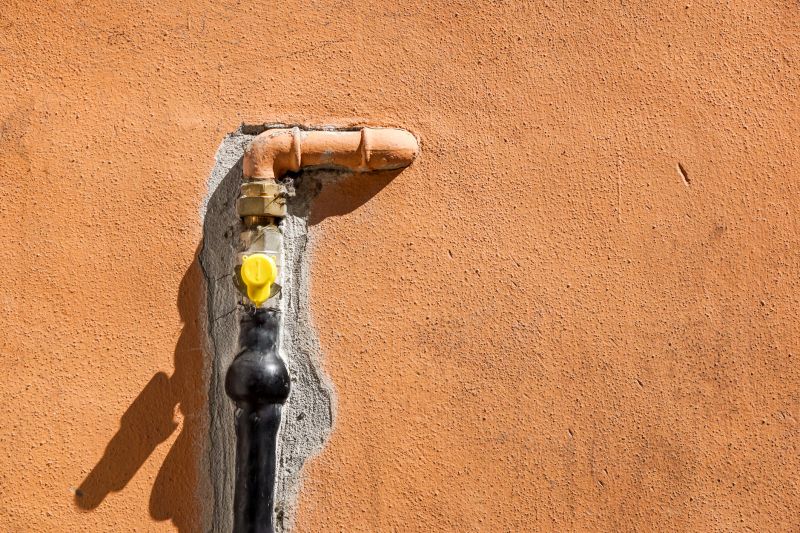
When evaluating potential service providers for gas line installation, it’s important to consider their experience with similar projects. Homeowners should inquire about how many gas line installations the contractor has completed and whether they have worked on projects comparable in size and complexity. An experienced local contractor will be familiar with the specific requirements and challenges of gas line work in the area, which can contribute to a smoother process and a more reliable outcome.
Clear, written expectations are essential to ensure that both parties understand the scope of work, materials to be used, and any relevant details before the project begins. Homeowners should seek out service providers who can provide detailed proposals or estimates that outline the work involved. Having this information in writing helps prevent misunderstandings and provides a reference point throughout the project, fostering transparency and accountability.
Reputable references and good communication are key indicators of trustworthy local contractors. Homeowners are encouraged to ask for references from previous clients who had similar projects completed. Listening to feedback about the contractor’s professionalism, responsiveness, and quality of work can provide valuable insights. Additionally, choosing a service provider who communicates clearly and promptly can make the entire process more straightforward and less stressful, ensuring that any questions or concerns are addressed effectively.
Property owners use Gas Line Installation services for practical projects around their homes and businesses. This guide focuses on everyday jobs and straightforward project options.
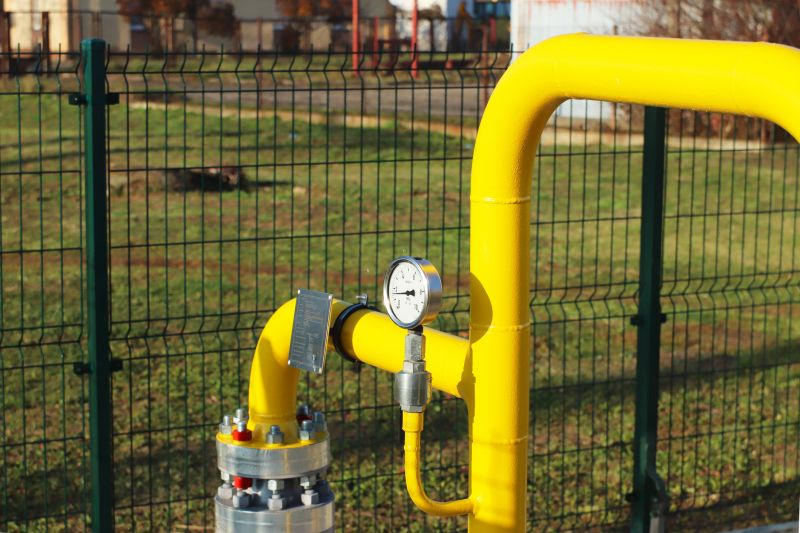
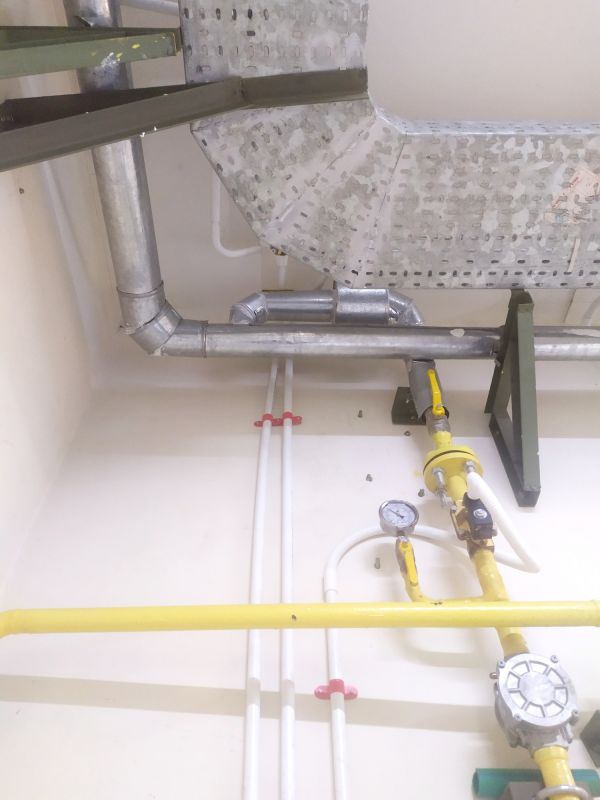
Gas line installation services are often needed when property owners are upgrading appliances, adding new fixtures, or expanding their homes. Whether installing a new gas stove, water heater, or outdoor grill, having a reliable local contractor handle the work ensures safety and proper setup. Homeowners may also seek these services during renovations or when replacing outdated or damaged gas lines to maintain efficiency and prevent leaks.
In addition, property owners might look for gas line installation when constructing new buildings or making significant improvements to existing structures. Local service providers can assist with ensuring the gas lines are properly routed and connected, helping to meet building codes and safety standards. Connecting with experienced local contractors can provide peace of mind for these essential projects.
What is involved in gas line installation? Gas line installation typically includes planning the layout, obtaining necessary permits, and safely connecting the gas supply to appliances or fixtures with the help of qualified local contractors.
Are there different types of gas lines for residential use? Yes, residential gas lines can be made from various materials such as steel, copper, or flexible piping, depending on local building codes and specific application requirements.
How do I know if my existing gas lines need to be replaced? Signs that existing gas lines may need replacement include leaks, corrosion, frequent outages, or outdated piping materials that no longer meet safety standards.
Can local contractors handle both new installations and repairs of gas lines? Yes, many service providers offer both installation of new gas lines and repairs or upgrades to existing systems to ensure safety and compliance.
What safety considerations are important for gas line installation? Ensuring proper installation by experienced contractors, using appropriate materials, and adhering to local codes are key safety considerations for gas line work.
Gas Line Installation for Appliances - property owners can have local contractors install or upgrade gas lines for stoves, water heaters, or fireplaces to ensure safe and reliable operation.
Adding a Gas Line for Outdoor Grilling - homeowners may want to connect a gas line to an outdoor kitchen or grill area for convenience and consistent fuel supply.
Expanding Gas Service to New Areas - property owners planning renovations or additions can work with local pros to extend gas lines into new rooms or outdoor spaces.
Upgrading Existing Gas Lines - those with older or inefficient gas lines might seek professional upgrades to improve safety and performance for their current appliances.
If you are thinking about Gas Line Installation for a property, this guide is meant to help you understand the work, the typical project types, and how different options might fit your plans.
When you are ready, you can use the quote form on this page to share a few details about your project. From there, local pros can review the basics and respond with options that match what you have in mind.