Gas Line Moving Service in Denver, CO
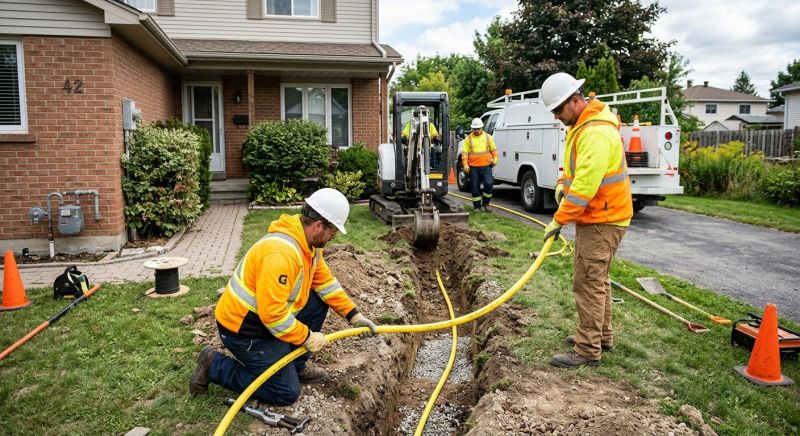
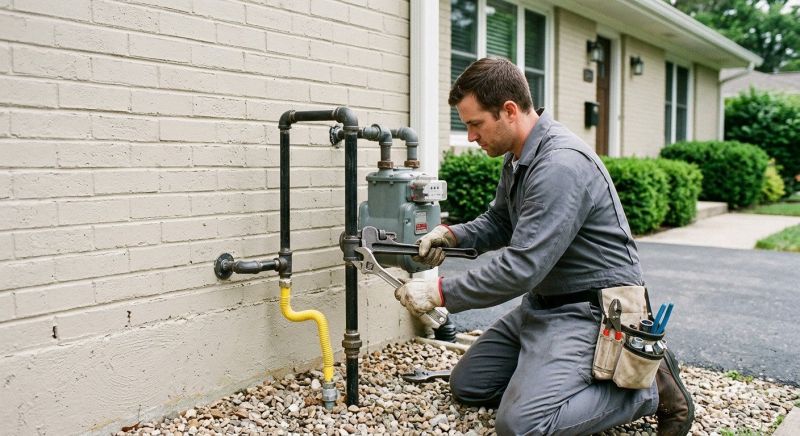
Gas line moving services involve safely relocating existing natural gas lines on residential properties to accommodate remodeling, additions, or new construction projects. This service covers a variety of projects, including moving gas lines for home expansions, installing new appliances that require different gas locations, or rerouting lines to improve safety and accessibility. Property owners should understand the importance of planning ahead, as relocating gas lines requires careful assessment of existing infrastructure and compliance with local codes to ensure safety and proper operation.
Before requesting gas line moving services, homeowners typically want to know about the scope of work, potential disruptions, and any necessary permits or inspections. It’s important to evaluate the current layout of gas lines, the complexity of the move, and how the relocation might impact existing appliances or utilities. Clear communication about these details can help ensure the project proceeds smoothly and meets safety standards.
Many property owners in Denver, CO look into Gas Line Moving Service for repairs, replacements, upgrades, and appearance-related improvements.

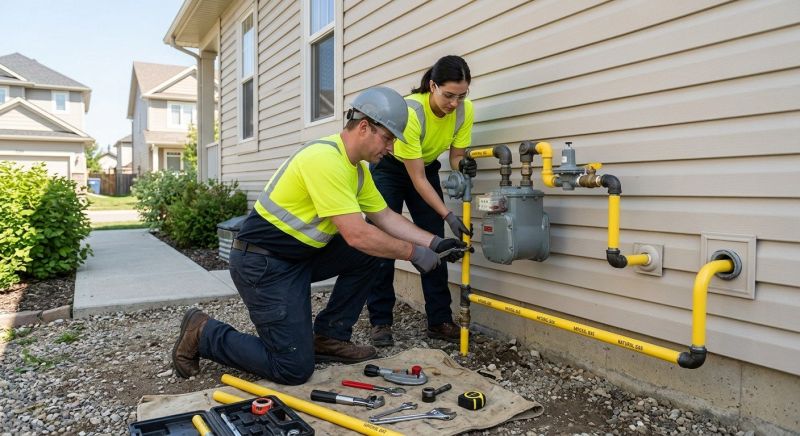
Gas Line Relocation
Safely shifting existing gas lines to accommodate home renovations or additions.
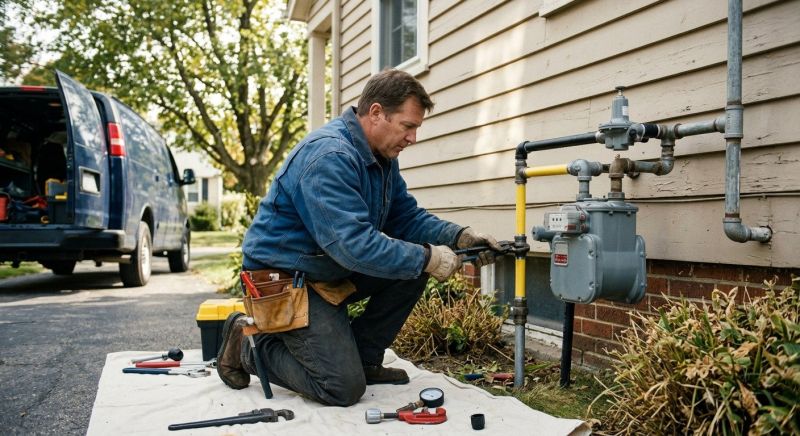
Gas Line Installation
Installing new gas lines for appliances, fireplaces, or outdoor setups in denver homes.
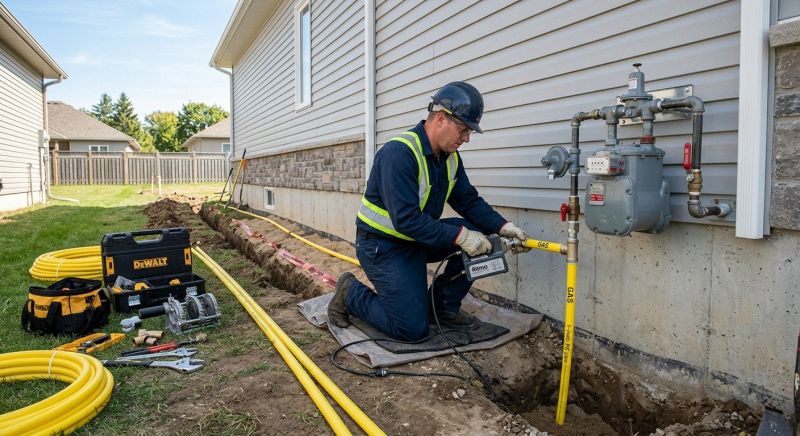
Gas Line Maintenance
Inspecting and servicing gas lines to ensure safety and proper function for property owners.
Gas Line Moving Service in Denver, CO

Gas line moving services involve safely relocating existing natural gas lines on residential properties to accommodate remodeling, additions, or new construction projects. This service covers a variety of projects, including moving gas lines for home expansions, installing new appliances that require different gas locations, or rerouting lines to improve safety and accessibility. Property owners should understand the importance of planning ahead, as relocating gas lines requires careful assessment of existing infrastructure and compliance with local codes to ensure safety and proper operation.
Before requesting gas line moving services, homeowners typically want to know about the scope of work, potential disruptions, and any necessary permits or inspections. It’s important to evaluate the current layout of gas lines, the complexity of the move, and how the relocation might impact existing appliances or utilities. Clear communication about these details can help ensure the project proceeds smoothly and meets safety standards.
Many property owners in Denver, CO look into Gas Line Moving Service for repairs, replacements, upgrades, and appearance-related improvements.
Common Gas Line Moving Service Jobs
Gas line relocation - moving existing gas lines to accommodate home renovations or additions.
New gas line installation - installing gas lines for appliances, fireplaces, or outdoor grills.
Gas line extension - extending existing gas lines to reach new or relocated appliances.
Gas line repair - fixing leaks, corrosion, or damage to ensure safe and reliable gas supply.
Gas line rerouting - redirecting gas lines around obstacles or to improve system efficiency.
Gas line removal - safely disconnecting and removing outdated or unused gas lines.
Gas Line Moving Service Questions
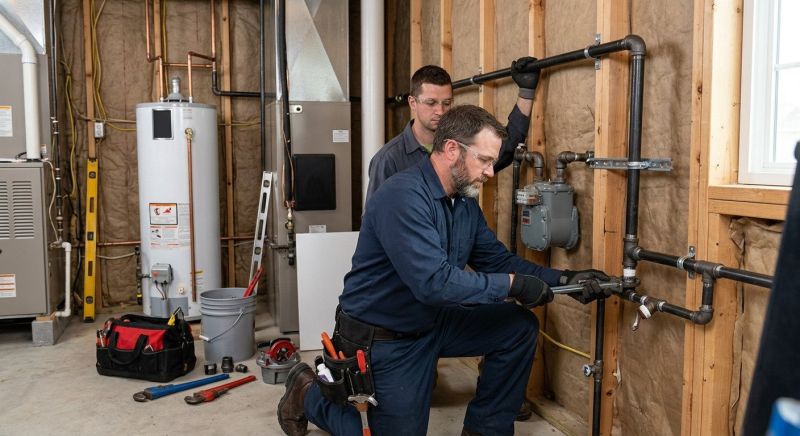
What is gas line moving service? It involves relocating existing gas lines to accommodate property renovations, additions, or new installations.
When might gas line moving be needed? This service is often requested during home remodels, new construction, or when installing outdoor features like fire pits or grills.
Is gas line moving safe for property owners? Yes, professionals follow proper procedures to ensure safety during the relocation process.
What should property owners know before a gas line move? It's important to have a clear plan for the new gas line layout and to ensure proper permits are obtained if required.
Request Gas Line Moving Service in Denver, CO
Use the quote form on this page to share the basics of your project and request more information for the type of work you need.